
Winterizing a Workforce Camp in the Northeast
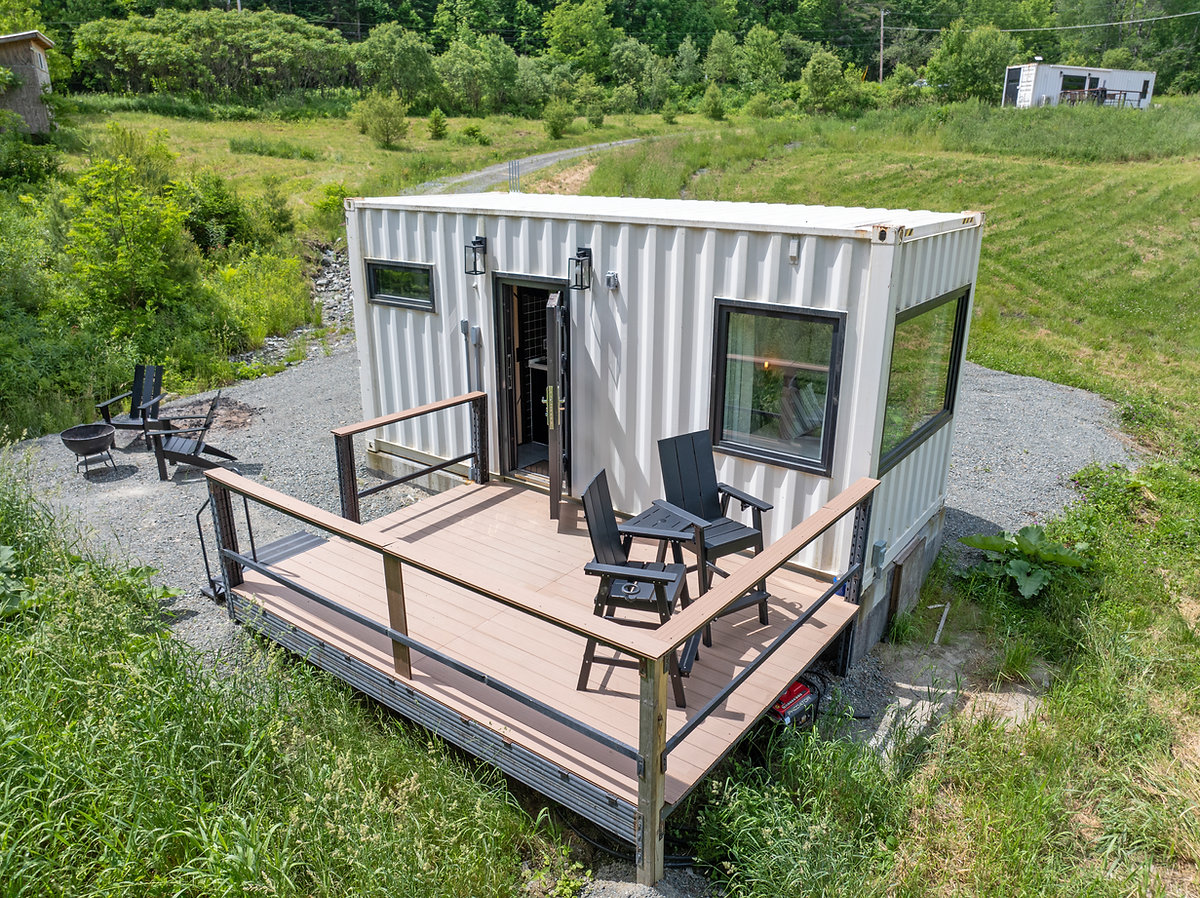
A workforce camp that runs fine in July can fail fast in January. In the Northeast, winter brings below-zero nights, heavy snow, ice storms, and short days. One frozen water line or a buried generator can leave a crew without heat or water at the worst possible moment.
Here's a practical winter workforce camp checklist for keeping crews warm, safe, and working through a Northeast winter.
Start With the Building
Insulation that seals. Closed-cell spray foam insulates and blocks air leaks and condensation, which matters in steel units. See How a Container Home Handles a New England Winter.
Heat that works in real cold. Cold-climate heat pumps are designed to keep heating at low temperatures. The U.S. Department of Energy's Cold Climate Heat Pump Challenge targeted performance at 5°F and below. In the coldest spots, plan backup heat too.
Entry vestibules or mudrooms keep snow, slush, and cold air out of sleeping areas.
Drying space for gear. Wet boots and gloves are a daily problem. A heated drying room makes the next shift safer and more comfortable.
Protect Water and Sewer
Water is the most common winter failure.
Heat-trace and insulate every exposed supply and drain line, including connections under units.
Skirt the units to cut wind under the floor.
Keep tanks warm. Insulate and heat any water or holding tanks, and keep them full enough not to freeze solid.
Bury lines below frost depth where possible, or route them in insulated, heated chases.
Have a thaw plan and spare heat tape on site.
Plan for Snow
Know the snow load. Make sure units, roofs, and any walkway covers are rated for local snow loads, and have a plan to clear roofs if needed.
Plow plan. Arrange plowing for roads, parking, and pads before the first storm, with places to pile snow away from doors, vents, and fuel.
Keep vents and exhausts clear. Buried heat pump units, furnace vents, and generator exhausts can fail or create carbon monoxide hazards.
Mark everything. Stake hydrants, cleanouts, utility connections, and pad edges so plows don't hit them.
Keep the Power On
Size generators for winter loads, which are higher than summer loads when heat is electric.
Use winter-blend diesel or additives to prevent gelling, and keep fuel tanks protected.
Install carbon monoxide alarms in every sleeping unit, and keep generators well away from intakes and doors.
Plan for outages. Ice storms down power lines. Know how long backup power can run.
Keep People Safe
Treat walkways with sand or ice melt, and add lighting for dark mornings and evenings.
Watch for cold stress. OSHA's guidance on cold stress covers hypothermia, frostbite, and how to protect workers.
Post an emergency plan for heat loss, water loss, and access cut off by storms.
Winter Readiness Checklist
Area | Before winter | During winter |
Building | Check insulation, seals, and heat | Monitor heat and indoor temperature |
Water and sewer | Heat-trace, insulate, and skirt | Inspect lines after cold snaps |
Snow | Confirm snow loads; book plowing | Clear roofs, vents, and walkways |
Power | Size generators; stock winter fuel | Check fuel and CO alarms |
Safety | Post the emergency plan | Treat ice; watch for cold stress |
Build It Right From the Start
The easiest winter camp is one built for winter from the beginning. Retrofitting heat tape, skirting, and backup heat after a freeze costs more than designing them in. If you're planning a Northeast project, plan winter on day one. For Maine-specific context, see Housing Maine's Seasonal Workforce.
Frequently Asked Questions
How do you keep pipes from freezing in a workforce camp?
Heat-trace and insulate exposed lines, skirt units to block wind, keep tanks warm, and bury lines below frost depth where possible.
Do heat pumps work in a Northeast winter?
Cold-climate heat pumps are designed to keep heating at low temperatures. In the coldest areas, plan a backup heat source too.
What fuel issues come up in winter?
Diesel can gel in extreme cold, so use a winter blend or additives and protect fuel tanks.
What's the biggest winter safety risk in a camp?
Carbon monoxide from blocked vents or generators, and slips on ice. Install CO alarms, keep vents clear, and treat walkways.
Plan a Camp Built for Winter
Tell us your site, crew size, and schedule, and we'll help you plan workforce housing that keeps running all winter.
Sources: Pacific Northwest National Laboratory, "Performance Results of the DOE Cold Climate Heat Pump Challenge Field Validation," January 21, 2025. Occupational Safety and Health Administration, "Cold Stress Guide."


Comments