
Container vs. Modular Camp Buildings: The Real Costs
When a GC or housing operator compares camp vendors, the first thing on the table is usually price per unit or price per bed. It's a fair place to start, but it's a bad place to stop.
Modular camp buildings and container-based units can carry similar sticker prices and end up with very different total costs once they're delivered, set up, used hard for a few years, and moved. Here's where those differences come from, and the questions that bring them into the open before you sign.
Why Sticker Prices Are Hard to Compare
Public pricing for workforce camp buildings is rare. Most vendors quote per project, and what's included varies a lot. One quote may include delivery, setup, furniture, and a central kitchen. Another may cover only the boxes, delivered to the property line.
So before comparing numbers, make every vendor quote the same scope: delivered and set units, utilities connected, common facilities, furnishings, and what happens when the project ends. Then look at the costs that don't show up on the first page.
1. Transport: The Width Question
Many modular buildings are built in wide sections to create roomier interiors, and wide sections need oversize permits, escort vehicles, and limited travel windows to move. Even modular housing suppliers note that remote roads, escorts, and oversize-load rules can affect delivery sequencing.
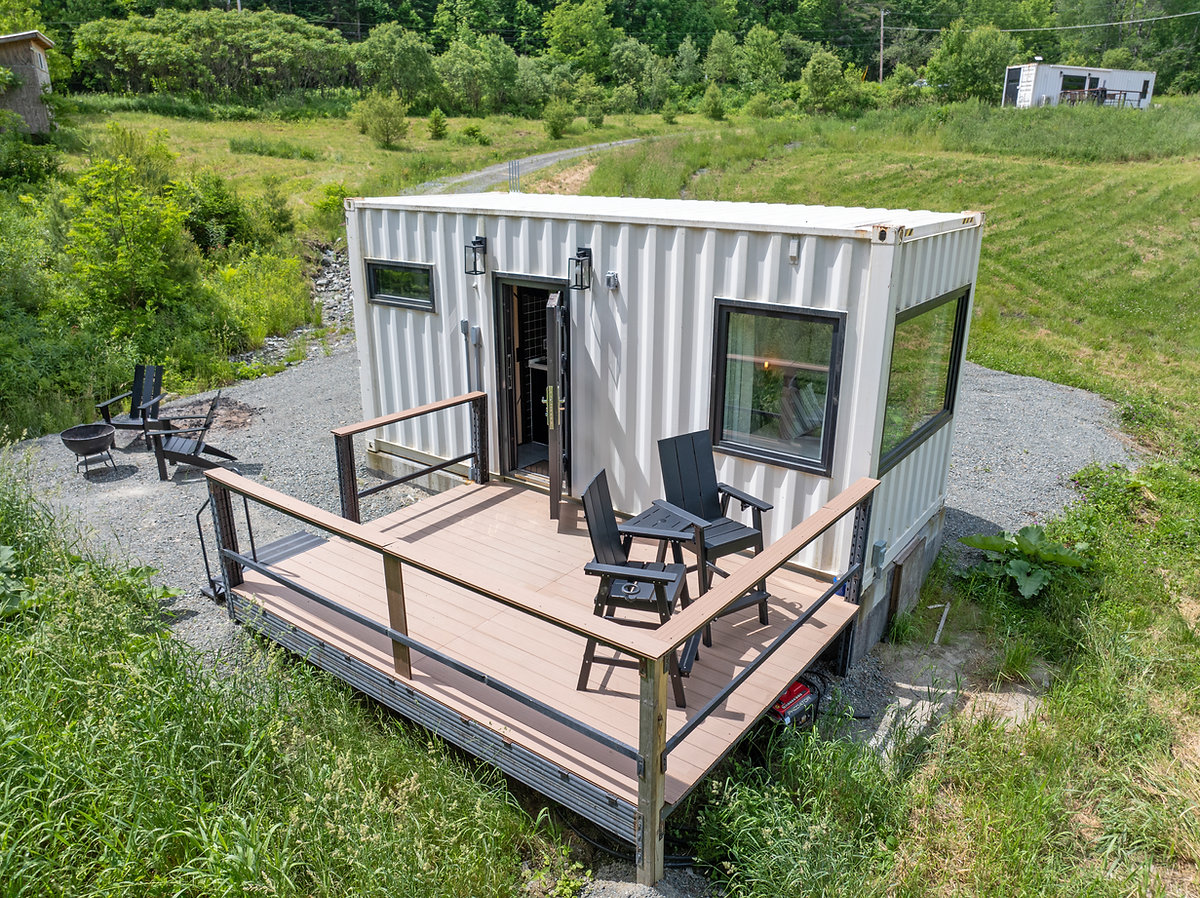
A 40-foot container unit is 8 feet wide, inside the 102-inch federal width limit, and on a step-deck trailer it stays around 13 feet tall. It ships as a legal load. Across a camp of dozens or hundreds of units, that difference compounds into real money and real schedule. We break it down in Relocatable Workforce Housing: Legal Loads vs. Oversize Loads.
2. Assembly: How Much Work Happens on Site?
Multi-section modular buildings are typically shipped to the site, craned into place, joined together, and then commissioned. One modular supplier describes a 16-week deployment timeline from design to commissioning. Every joint between sections has to be sealed and finished on site, which means more on-site labor and more exposure to weather delays.
A container unit arrives as one finished piece. On-site work is mostly placement and utility hookups, which is why Base Camp by Boma is planned around a 100-day mobilization target.
3. Durability: What Three Years of Daily Use Does
Camp housing gets used far harder than a typical home. Crews come and go in work boots, units run 24 hours a day, and turnover is constant.
Ask what's inside the walls. Drywall cracks and dents under that kind of use, and carpet doesn't last long. Boma units use a steel structure, closed-cell spray foam insulation, and non-drywall interior wall systems chosen because they hold up to the wear we see in our own rental properties.
4. Relocation: The Cost You Pay Again and Again
A camp that outlives a single project will move. If relocating means un-joining sections, permitting oversize loads, booking escorts, and re-joining everything at the new site, you pay that cost every time.
If units move as single, legal-width loads, relocation looks like ordinary freight. Over three or four projects, that difference can be bigger than the original price gap between vendors.
5. Resale and Reuse: What It's Worth at the End
When the work ends, a unit's value depends on who can use it next. A self-contained unit with a private bathroom, a standard footprint, and legal-load transport can be sold to a landowner, used as a rental, or converted to affordable housing. See what happens to workforce housing after the project ends.
The Honest Trade-Off
Wider modular buildings have real advantages. More width means roomier interiors, open layouts, and sometimes fewer units to place. If a camp will be built once and never move, a wide modular building can be a good fit.
Container units trade some interior width for portability, durability, and simpler logistics. For camps expected to follow the work from project to project, that trade usually pays for itself.
Cost Comparison Checklist
Cost category | Question to ask every vendor |
Delivery | Are any units wider than 8 ft 6 in or over height on the planned trailer? |
On-site assembly | How many sections per building, and how many weeks of on-site work? |
Interior durability | What are the walls, floors, and fixtures made of? |
Relocation | What does it take, in permits, escorts, and labor, to move one unit? |
End of project | What is a unit worth after three years, and who would buy it? |
Frequently Asked Questions
What do modular camp buildings cost?
Most vendors quote per project, and scope varies widely, so compare delivered, set, and connected costs side by side. Then add transport, on-site assembly, durability, relocation, and resale to see the full cost.
Are container units cheaper than modular camp buildings?
Not always on the sticker price. Their advantages show up in legal-load transport, less on-site assembly, durable interiors, and lower relocation costs over several projects.
Do modular buildings need oversize permits to move?
Any section wider than 102 inches needs an oversize permit in each state it crosses, and wider loads often need pilot cars and daylight-only travel.
When does a wide modular building make more sense?
When the camp will be built once and stay put, and roomier interiors matter more than portability.
Compare Apples to Apples
Send us the scope you're pricing, and we'll quote Base Camp on the same basis so you can compare the full cost, not just the first page.
Sources: Pacific Mobile Structures, "Modular Workforce Housing Solutions: A Practical Guide." Mercer Transportation, "Legal Width for a Trailer in the US," May 2026. Mercer Transportation, "Can You Ship a 40 Foot Container by Truck?," August 2026.


Comments