
Hurricane-Ready Rentals: Moving a Cabin Out of a Storm's Path
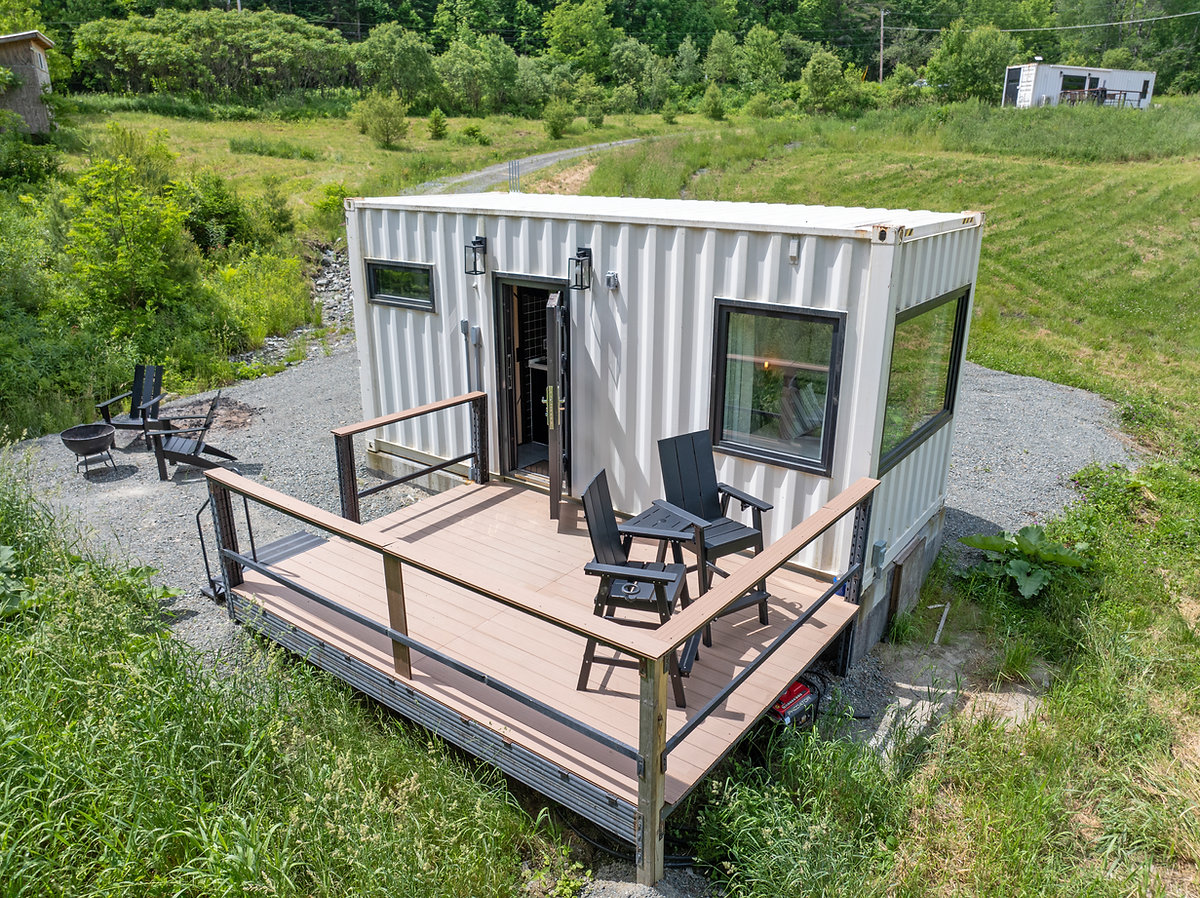
If you own a rental cabin or a fish camp on the Gulf Coast or the Southeast coast, every hurricane season comes with the same question: what happens to my property if a big one comes this way?
For most structures, the only answer is to board up, tie down, and hope. A hurricane relocatable cabin gives you another option: load it up and get it out of the storm's path. Here's what that actually takes, how much time you really have, and when staying put is still the better plan.
How Much Warning You Actually Get
The National Hurricane Center issues a hurricane watch 48 hours before tropical-storm-force winds are expected, and a hurricane warning 36 hours before. Those lead times are measured to the arrival of tropical-storm-force winds, not the eye, and conditions can make roads and job sites unsafe well before then.
In practice, that means a relocation plan has to start before the official watch. By the time a warning is up, evacuation traffic is building, carriers are booked, and crane operators are busy securing their own equipment. The owners who successfully move a unit are the ones who made the call days out, based on the forecast track, not the ones waiting for certainty.
Why a Container Cabin Can Move When Others Can't
A few things make a container-built cabin a realistic candidate for relocation:
Legal width. At 8 feet wide, a 40-foot unit fits inside the 102-inch federal width limit. On a step-deck trailer it stays around 13 feet tall, so it moves without oversize permits, pilot cars, or daylight-only restrictions. Wider modular buildings need all three, and that's not something you can arrange in 48 hours. We cover this in detail in Relocatable Workforce Housing: Legal Loads vs. Oversize Loads.
A single, rigid structure. There are no sections to separate and rejoin. The unit lifts and travels as one piece.
Factory-built to travel. The structure was designed to be lifted, stacked, and shipped, and a finished Boma unit arrives at your site the same way it would leave it.
What a Relocation Plan Needs
Moving a cabin under deadline only works if the hard parts are solved in advance:
A destination. A pre-arranged inland spot, such as a friend's land, a storage yard, or a second property, with a level pad ready to receive the unit.
A carrier and lifting equipment on call. A step-deck truck plus a crane, forklift, or tilt-bed setup, lined up before the season starts. Ask whether they'll commit to you when a storm is coming.
Quick-disconnect utilities. Water, sewer, and electrical connections designed to be disconnected in minutes, not hours.
A foundation built for it. Piers or a pad the unit can be lifted off cleanly, rather than a foundation that needs demolition to free the unit.
Tied-down contents. Loose items packed or secured so nothing shifts inside during transport.
A trigger date. A rule you decide in advance, such as moving if your area falls inside the forecast cone four days out, so the decision isn't made in a panic.
When Staying Put Is the Better Plan
Relocation isn't always the right call, and you should be honest about that. If you can't get a carrier, if the roads are already jammed, or if moving the unit would put people in danger, a well-secured cabin is the safer choice.
For most coastal sites, that means building for the storm from the start:
Engineered anchoring to resist uplift and sliding, designed for your local wind requirements.
Elevation above the expected flood level, which in many coastal areas is set by the local flood zone.
Impact protection for windows and doors.
Insurance reviewed before the season, so you know exactly what's covered.
The best plans combine both: a cabin built and anchored to ride out a storm, with relocation as an option when the forecast makes it worth the effort.
Who This Makes Sense For
Owner | Why relocation fits |
Seasonal fish or hunt camp | Often unoccupied and in exposed, low-lying spots |
Short-term rental host | Protects a revenue-producing asset during the peak season |
Campground or RV park operator | Units can move to a safer section or off-site |
Company with field housing | Housing can move inland and return for cleanup work |
A Rental That Can Come Back Quickly
For a short-term rental owner, the real cost of a hurricane isn't just repairs. It's months of lost bookings. A unit that was moved inland and brought back after the storm can be back in service as soon as utilities are restored, while fixed rentals nearby may be waiting on contractors for repairs. If you're weighing a container rental, our post on why container homes are becoming the go-to Airbnb investment covers the revenue side.
Frequently Asked Questions
Can you move a container cabin before a hurricane?
Yes, if you've planned it in advance. A 40-foot container unit can move as a legal load on a step-deck trailer, but you need a destination, a carrier, lifting equipment, and quick-disconnect utilities arranged before the season.
How much warning do you get before a hurricane?
The National Hurricane Center issues a hurricane watch 48 hours before tropical-storm-force winds are expected and a warning 36 hours before. A relocation decision usually needs to happen earlier, based on the forecast track.
Is it better to move a cabin or secure it in place?
It depends on your site, your equipment, and road conditions. Every coastal cabin should be anchored and elevated for local requirements. Relocation is an added option when it can be done safely.
Do relocatable cabins need special permits to move?
A 40-foot container unit is 8 feet wide, within the 102-inch legal width, so it generally moves without oversize permits on a step-deck trailer. Confirm your specific route and local rules with your carrier.
Build a Cabin That Has Options
We'll help you plan a cabin that's built to ride out the season and ready to move when the forecast says go.
Sources: National Hurricane Center, watch and warning lead times. Mercer Transportation, "Legal Width for a Trailer in the US," May 2026. Mercer Transportation, "Can You Ship a 40 Foot Container by Truck?," August 2026. This article is for informational purposes. Follow local emergency management instructions, and never move equipment when it's unsafe to do so.


Comments