
How Data Centers Strain Small-Town Housing, and How to Avoid It
A hyperscale data center can bring thousands of construction workers into a town that had no spare beds to begin with. The jobs are real and the tax base is real. So is what happens to the rental market when 6,000 new people need somewhere to sleep.
The data center housing impact on small towns has become one of the most talked-about side effects of the AI buildout, and it's showing up the same way in very different places. Here's what's actually happening, why it happens, and how the housing plan for a project can protect the community instead of competing with it.
Abilene, Texas: 6,000 Workers in a Town of 100,000
In February 2026, Texas Standard reported that about 6,000 workers had arrived in Abilene for construction of the Stargate data center, a 4-million-square-foot campus expected to finish by the end of 2026. Abilene has just over 100,000 residents and was already short on housing.
The reporting described rents rising sharply, home prices climbing, and RV parks and motels full. The city approved new RV parks for thousands more residents, but they weren't ready yet. A longtime community worker said homelessness was the worst he had seen in the city, and the reporter said housing was the first thing everyone wanted to talk about.
The article also raised a harder question: most of these jobs end when construction ends. Build too much permanent housing for a temporary surge and a town can be left with empty units once the crews leave.
Cheyenne, Wyoming: A Camp Bigger Than 84 Towns
In Cheyenne, a developer proposed a 5,600-worker man camp to serve data center construction south of the city. Cowboy State Daily noted it would be larger than 84 of Wyoming's incorporated cities and towns.
The housing need was real. Laramie County had only 289 homes listed for sale in early June 2026, against the 450 to 550 listings typical of a balanced Cheyenne market. But residents raised concerns about crime, property values, schools nearby, a single grocery store on that side of town, and utilities that already struggled. In June 2026, the developer withdrew its permit application for that site and said it would look elsewhere.
Cheyenne shows both sides of the problem. Without dedicated worker housing, crews compete with residents for homes and hotel rooms. With a poorly sited or oversized camp, the housing itself becomes the fight.
Northeast Louisiana: Hotels, RV Parks, and Airbnbs
Meta's data center in Holly Ridge, Louisiana, is bringing a surge of workers to a rural part of the state, with the workforce expected to ramp through 2026. Local reporting described chambers of commerce working with contractors on a patchwork of options: hotels, RV parks, and short-term rentals, including a hotel in a nearby town that a company may have bought outright for worker housing.
That patchwork is the default almost everywhere. And every hotel room or rental a contractor takes is one that isn't available to a visitor, a nurse on contract, or a local family.
Why the Same Problem Keeps Showing Up
The pattern is consistent because the economics are consistent:
Data centers go where land and power are cheap. Those are often rural markets with little rental inventory and few hotel rooms.
The surge is temporary but large. Crews arrive by the thousands for 18 to 36 months, then most of them leave.
Contractors pay more than locals can. A company housing a crew can outbid local renters, so rents reset upward for everyone.
Permanent construction can't keep pace. New apartments take years to permit and build, and they may sit empty once the project ends.
What Better Worker Housing Looks Like
The fix isn't avoiding worker housing. It's housing crews in a way that doesn't drain the local market and doesn't leave a mess behind. That comes down to a few design choices.
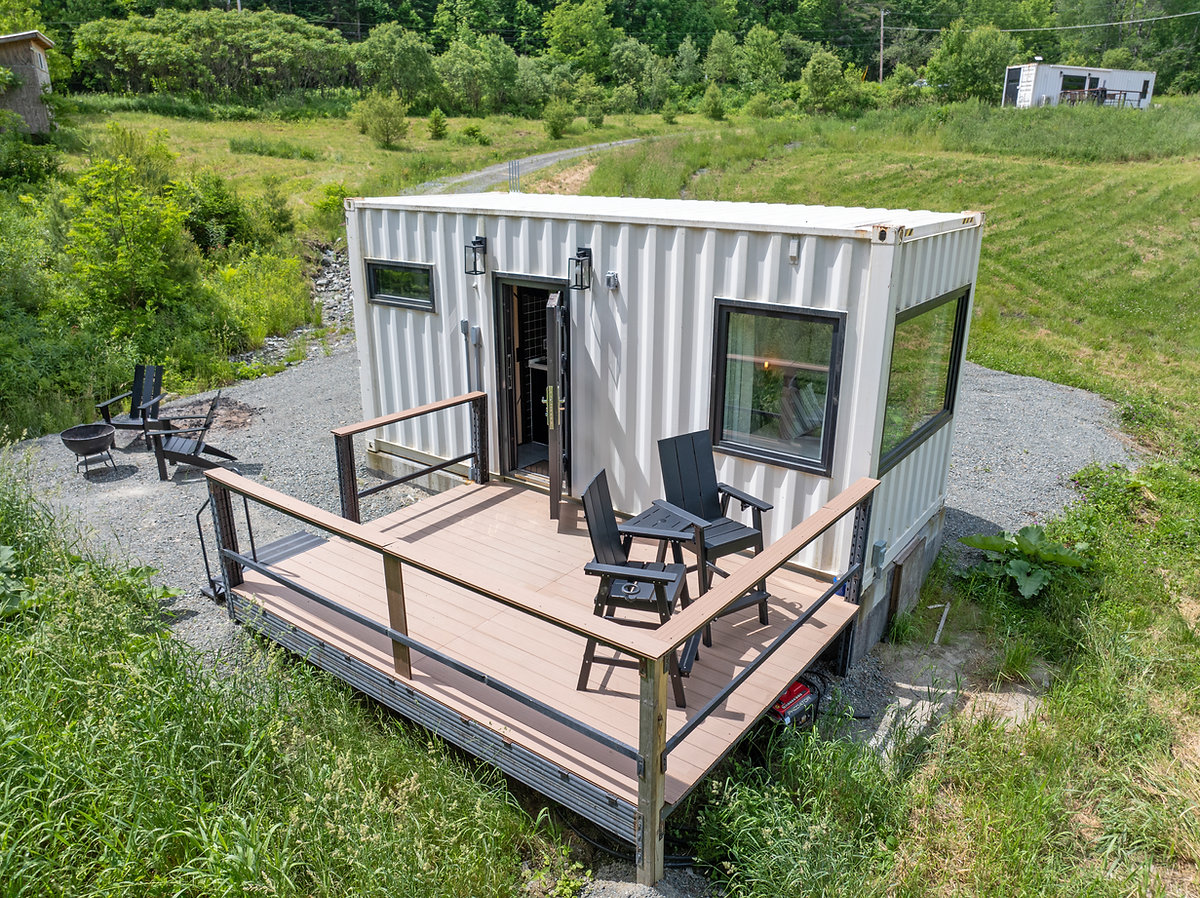
Self-contained. A workforce village with its own dining, laundry, and common space keeps daily needs on site instead of overloading local services. Base Camp by Boma is built around a central Hub Container for exactly that reason.
Scalable. Headcount ramps up and down over a build. Modular units can be added in phases instead of building for peak headcount on day one.
Quick to deploy. Base Camp is planned around a 100-day mobilization target, so housing can be in place before the local rental market absorbs the first wave of crews.
Relocatable. Each unit fits a 40-foot container footprint and moves as legal freight, so the camp can leave when the work does. Read why that matters on moving day.
Built to stay, if the town wants it. Units can also be left behind, sold, or donated for local housing once the project wraps up.
Being a Good Neighbor Matters as Much as the Units
Cheyenne is a reminder that the best-built camp still needs community buy-in. The projects that go smoothly tend to share a few habits: engaging local officials early, siting housing away from established neighborhoods, planning water, sewer, and power before the first unit arrives, providing on-site management and security, and being clear about when the camp will leave or what it will become.
Comparing the Options
Approach | Effect on local housing | Flexibility |
Hotels and rentals in town | Competes directly with residents and visitors | Limited by what the town has |
New permanent apartments | Adds supply, but slowly | Risk of vacancy after the build |
Dense temporary man camp | Keeps crews out of rentals | Often faces community pushback |
Self-contained, relocatable workforce village | Keeps crews out of rentals | Scales with headcount; moves or stays when done |
Frequently Asked Questions
What is the data center housing impact on small towns?
Large data center builds bring thousands of temporary workers into markets with little housing. Reporting from towns like Abilene, Texas, describes rising rents, full motels and RV parks, and added pressure on residents already struggling to find housing.
Why don't contractors just use hotels?
Most rural sites don't have enough rooms for a crew of hundreds or thousands, and filling every local room displaces visitors and locals. Long-term hotel stays also get expensive on an 18-to-36-month build.
Do workforce camps cause problems for communities?
Poorly planned ones can. Residents commonly worry about crime, traffic, utilities, and property values. Careful siting, on-site amenities, management, and early engagement with local officials address most of those concerns.
What happens to worker housing after the data center is built?
Relocatable units can move to the next project, stay for permanent operations staff, or be sold or donated for local housing.
Housing That Works for the Crew and the Town
Base Camp by Boma is designed to house a crew without taking over the town around it. Tell us about your project and we'll show you what a right-sized camp looks like.
Sources: Texas Standard, "Data center construction spurring a housing crisis in Abilene," February 12, 2026. Cowboy State Daily, "Developer Puts Massive 5,600-Worker Cheyenne Man Camp On Hold, Looks For New Site," June 12, 2026. KNOE, "Housing efforts underway as Meta Data Center brings surge of workers to NELA," May 19, 2025.


Comments